Multiplicity
Peter Blake16th November to 7th December, 2019

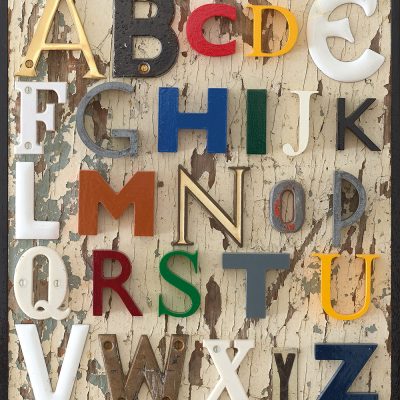
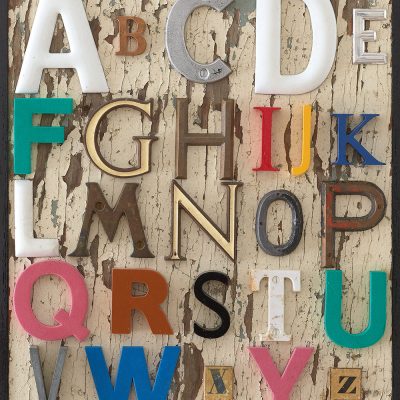


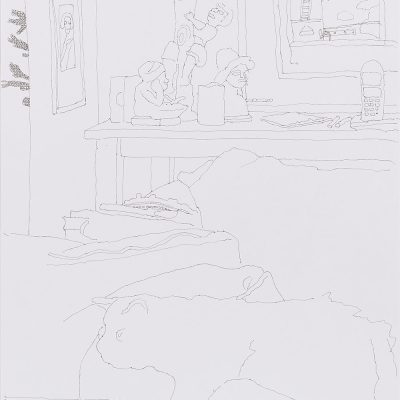
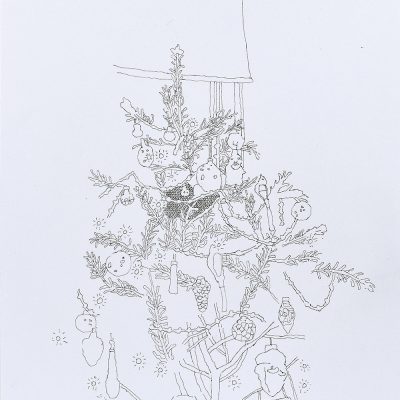


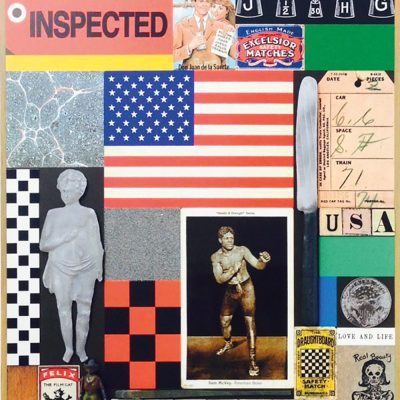
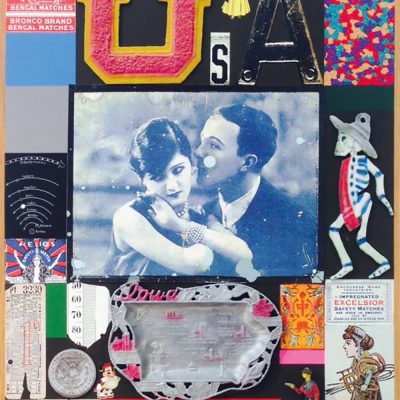

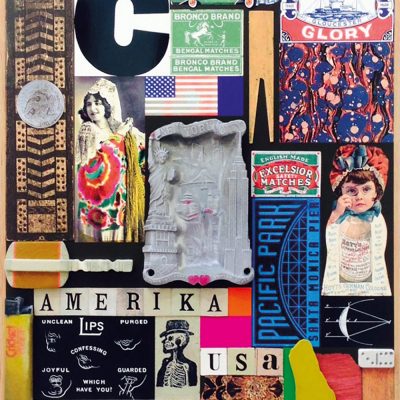
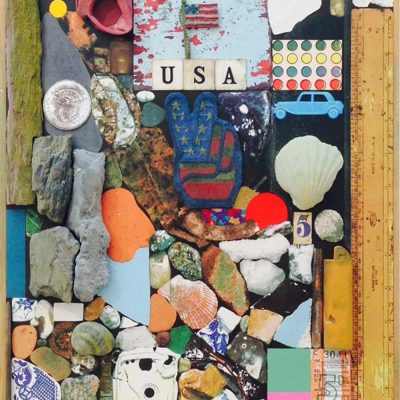
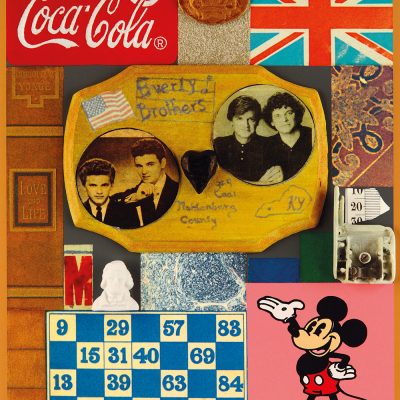
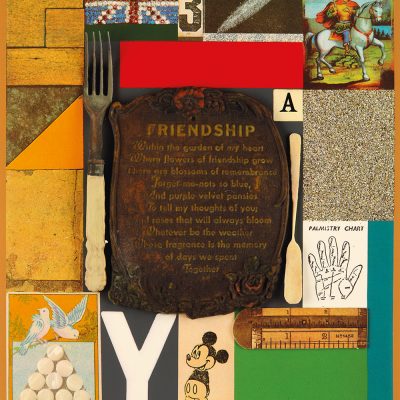
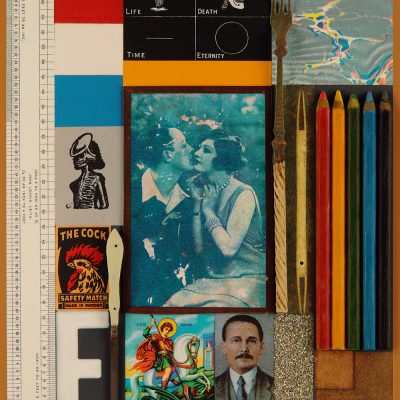
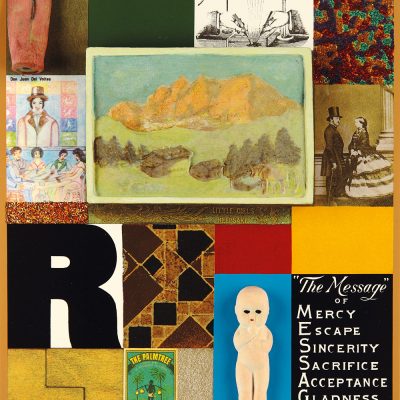

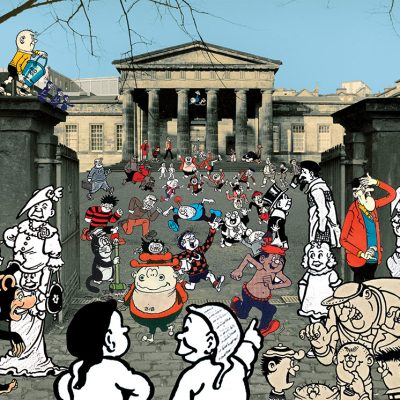

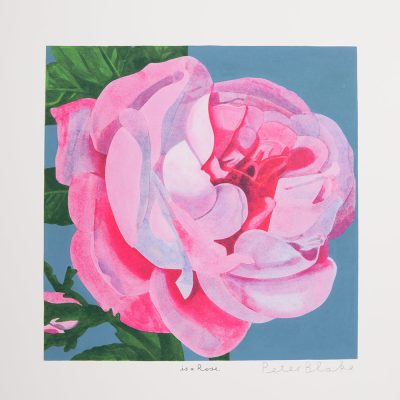
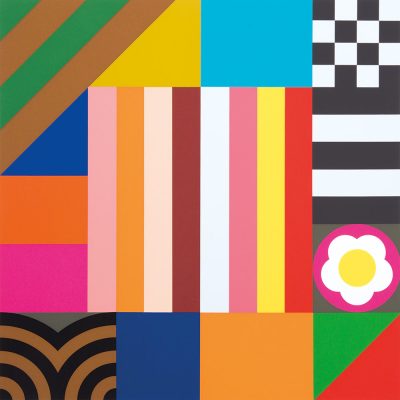
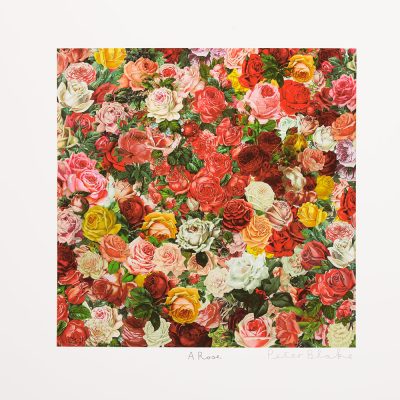

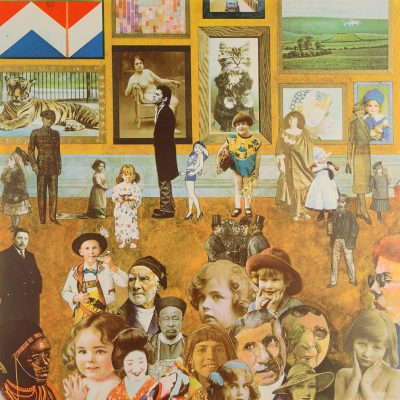

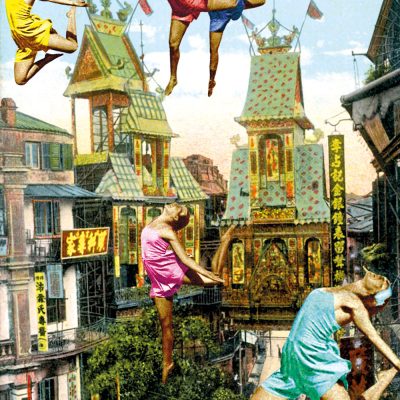

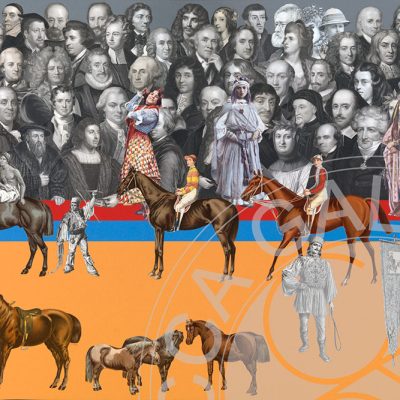
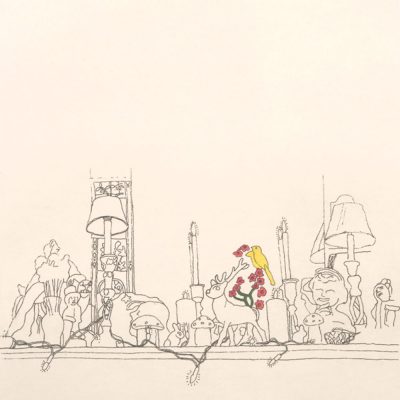


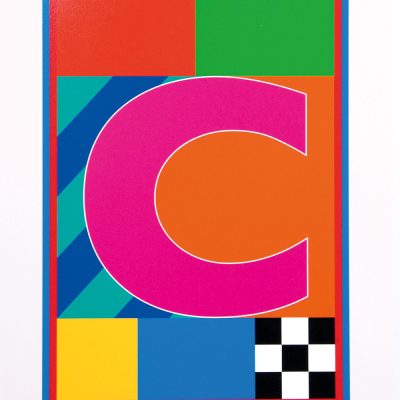


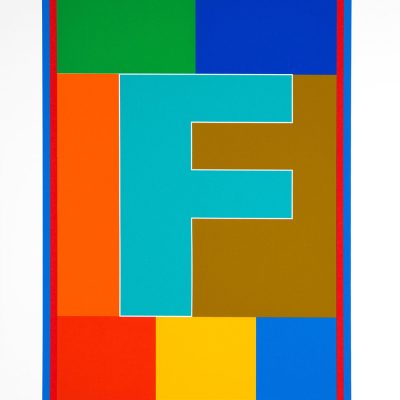


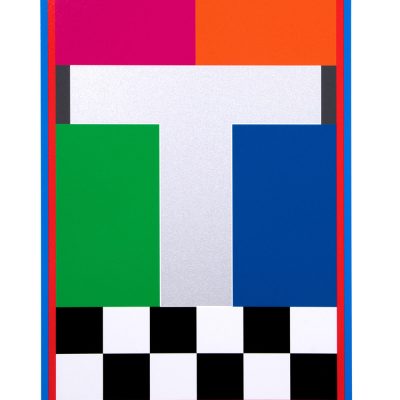


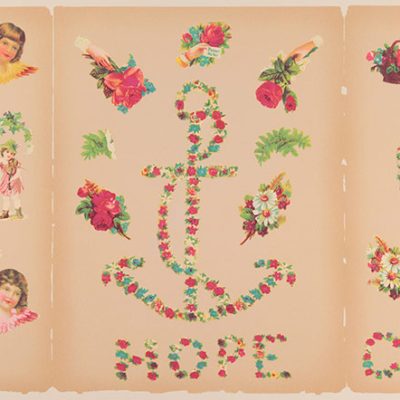


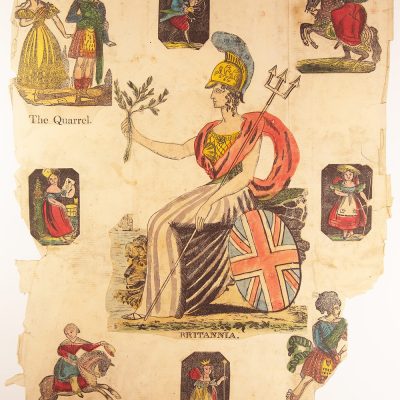

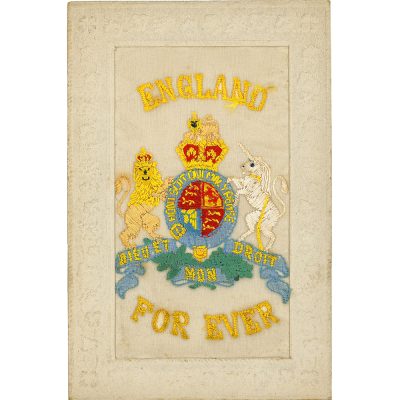

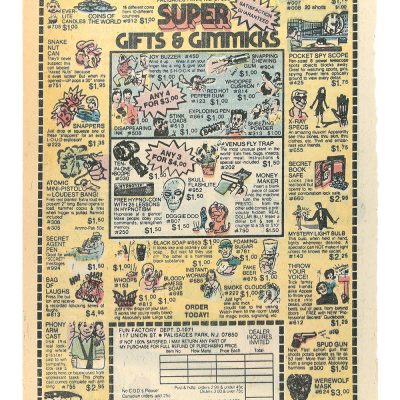


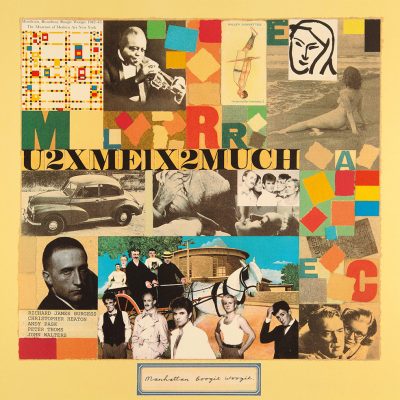


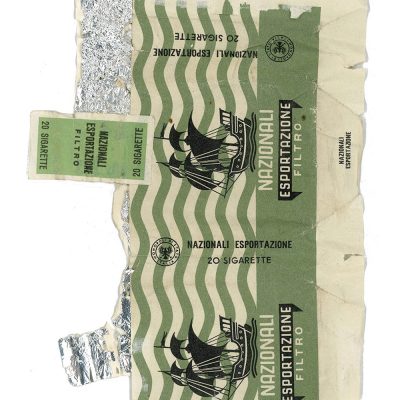


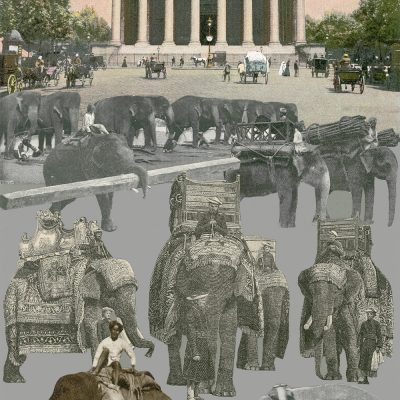
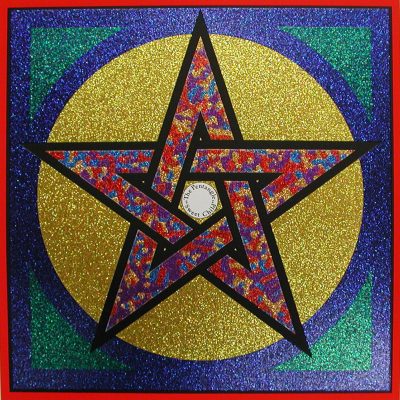
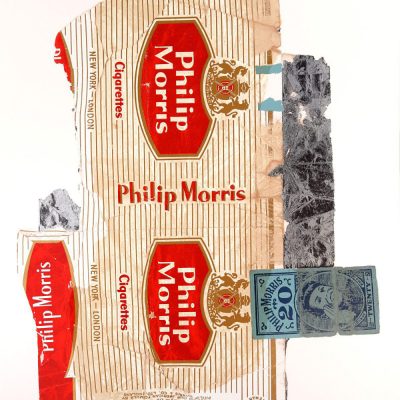

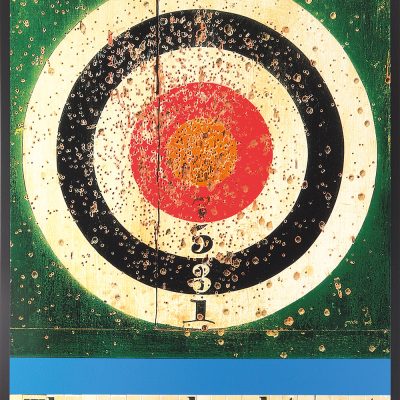


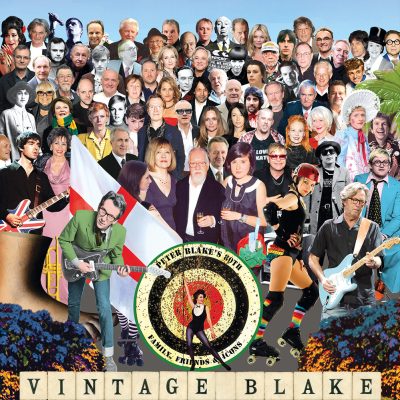

The diversity of Peter Blake’s work is extraordinary. Many people know his famous design for the cover of The Beatles’ Sgt Pepper’s Lonely Hearts Club Band album, but less recognised is the range of paintings, collages, sculptures, prints, drawings, collections and illustrations that he has pursued with a passion for over half a century. Blake has always sustained the ‘branches’ of his art by extracting nourishment from his immediate environment.
He finds more inspiration in going out to pursue a vast range of interests and in enjoying the company of friends than through any injection of art theory. Yet, despite his love of life’s variety, he remains steadfastly rooted, determinedly unique. To meet him is to encounter a genuinely eccentric character – generous and warm, slightly shy, unconventional, obsessive, childlike almost, in his unashamed interest in a vast array of unusual and often unfashionable subjects. His work shares this honest simplicity. It focuses on love and magic, beauty and tradition in ways that have often captured the public imagination.
Blake’s position within the lineage of British art history is not as secure as his celebrity implies. Many critics have considered his work too whimsical, too jokey; too far removed from the serious issues of the day to warrant prolonged consideration. But the very qualities that render his art so out of touch are exactly those that make it so intriguing. Blake is a genuine outsider. There is no separation between his art and his life. To investigate his work sympathetically is not to explore the branches of his practice in isolation, but to assess his life as a whole. In doing so, one uncovers a remarkable tale and a truly inimitable artist.
Peter Thomas Blake was born on 25 June 1932 in Dartford, Kent. He was the eldest of three children: his sister, Shirley, arrived in 1935, Terry, his brother, in 1939. Their mother, Betty, was a nurse, and their father, Kenneth, an electrician. Although initially unremarkable, Blake’s lower-middle-class upbringing was supportive and loving and some of his earliest memories centre on his parents’ desire to amuse their children. His mother was an ardent fan of the cinema and took him to the pictures practically every day from the age of three or four, providing him with a ‘great education in films’. She also loved shopping and would sometimes return from the weekly shopping trip with boxed gifts containing small lead toys, which Blake would probably have collected had world events not intervened.
Blake’s influence extended to a slightly younger generation of artists that included Derek Boshier, Pauline Baty, David Hockney, Allen Jones, R.B. Kitaj and Peter Phillips, all of whom were studying at the Royal College at the turn of the decade. Each developed a highly personal figurative style that retained a certain respect for the traditions of painting and drawing but which incorporated abundant references to popular culture. Traces of Blake’s use of popular art and typography, primary colours and rectilinear patterning can be discerned in some of their work, and, like him, many came from modest backgrounds – a factor that he believes contributed to their inclusion of ‘vulgar’ subjects in fine art. The surfaces of many of their works an; packed with commodities – perhaps a subtle reaction to their experiences of rationing. The artists exhibited their work together throughout the early 1960s, and gradually became known as a group. They had no collective agenda or manifesto – they were just a circle of friends with a shared interest in the contemporary world.
1961 was a significant year for Blake and British Pop art. The year began with the BBC broadcast of Ken Russell’s film Pop Goes The Easel. Progressive for its time, this unconventional documentary featured the art and lifestyle of four Pop artists in turn – Blake, Boshier, Baty and Phillips – and introduced their work to the nation.
A jocular attitude pervades much of Blake’s work, sometimes to the extent that the joke becomes the subject. In his initial piece of this kind, The First Real Target 1961 (fig.26), he questioned the art world’s obsession with originality. His work had often incorporated images of targets and chevrons, and he knew he wasn’t the first to include such wartime insignia- Jasper Johns had beaten him to it. To mock the notion that he had therefore somehow failed, he decided to win the race for being the first to incorporate a real target. The title is so crucial to the meaning of this work that he felt he had to spell it out – using wooden letters from a children’s game to emphasise his playful stance. Humour aside, this work expresses Blake’s competitive streak and the sense of rivalry he felt towards his American contemporaries. He felt that some of his most innovative contributions to the language of Pop art had been overlooked: his paintings and collages featuring Marilyn, Elvis and comic book imagery, for example, preceded the use of such subjects in American Pop by a number of years.
Blake once said: ‘The thing about Pop is that you’ve got to get inside the popular culture of the time whether you’re doing the thing historically, or working in the present tense. I’ve got to get right in with the pin-ups and Elvis …and inside every house that has plastic flowers and curtains.’14 This statement indicates how fully he had achieved his ambitions as a Pop artist by the time he had made these works of 1962. Although Pop art was still in its infancy, he had already produced most of his major works in the genre. Never one to follow the pack, he was already considering his next direction.
Peter Blake is one of the most influential artists working in Britan today, with a career that spans six decades. His fascination with the heroes of popular music, sport and film made him a vital contributor to the emergence of Pop Art in Britan. He continues to produce work in a diverse range of media, including painting, collage, sculpture, assemblage, printmaking and illustration.
